Goods From the Land
Natural materials turned into thoughtfully made goods with stories that begin long before they reach our workbench.
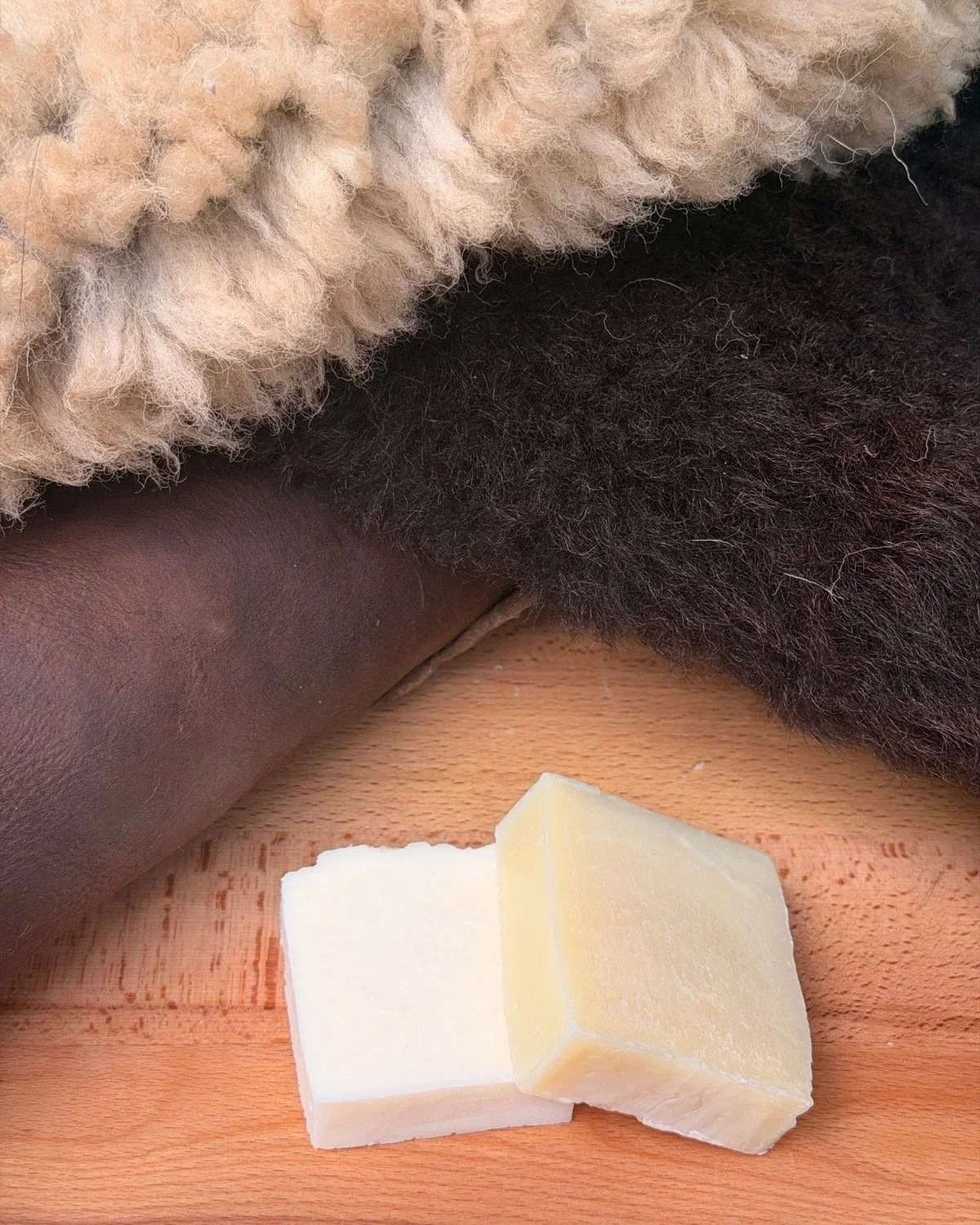
We work in naturally small batches, starting with materials sourced close to home and combining them with ingredients from the land to transform them into beautiful, useful goods for everyday life.
We let what is available help shape what we make - meaning collections may be limited, seasonal, or one-of-a-kind. Everything we use is chosen intentionally, with function, simplicity, and transparency in mind.
Naturally Small Batches
Shop the
New Collections
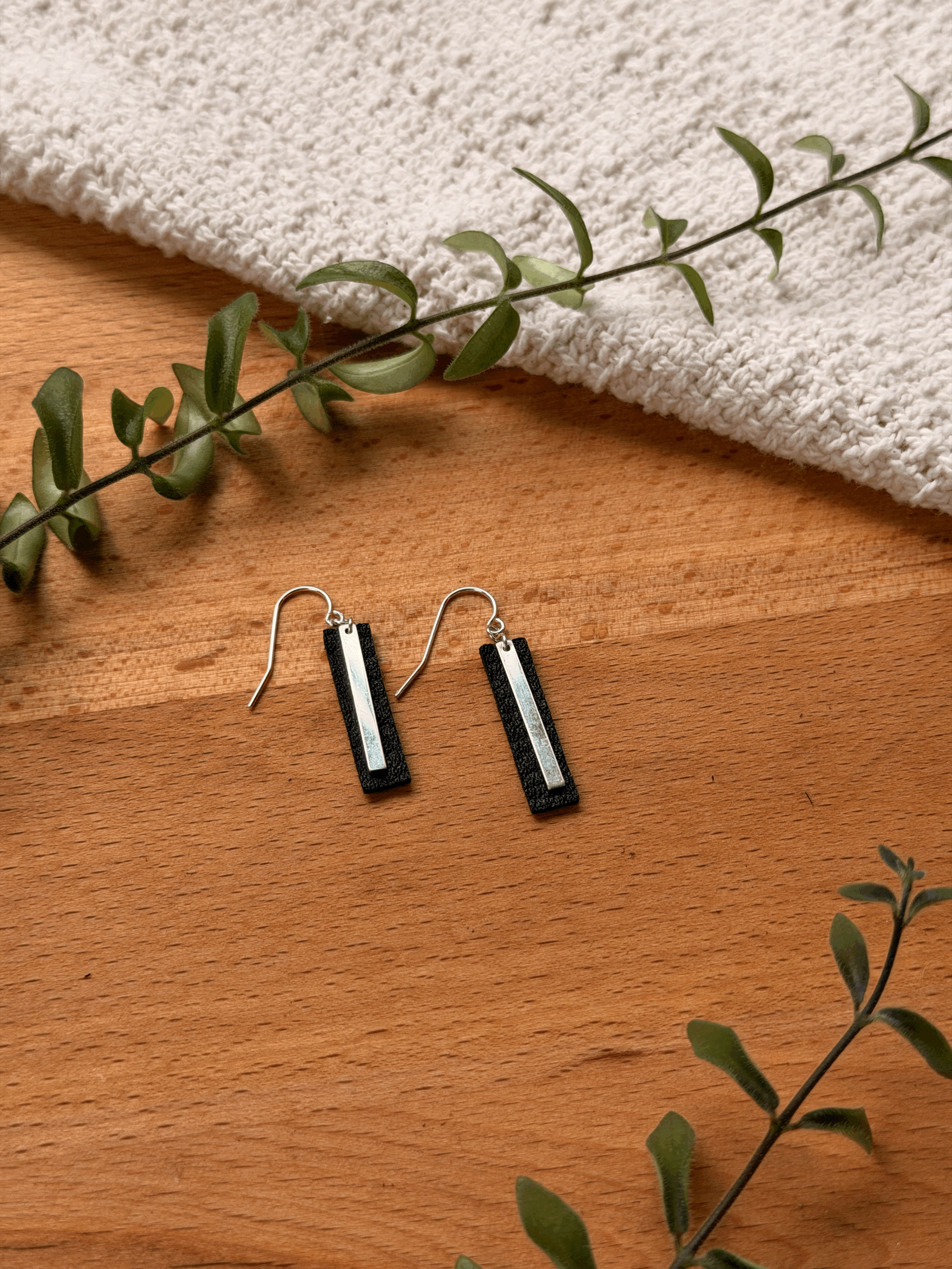
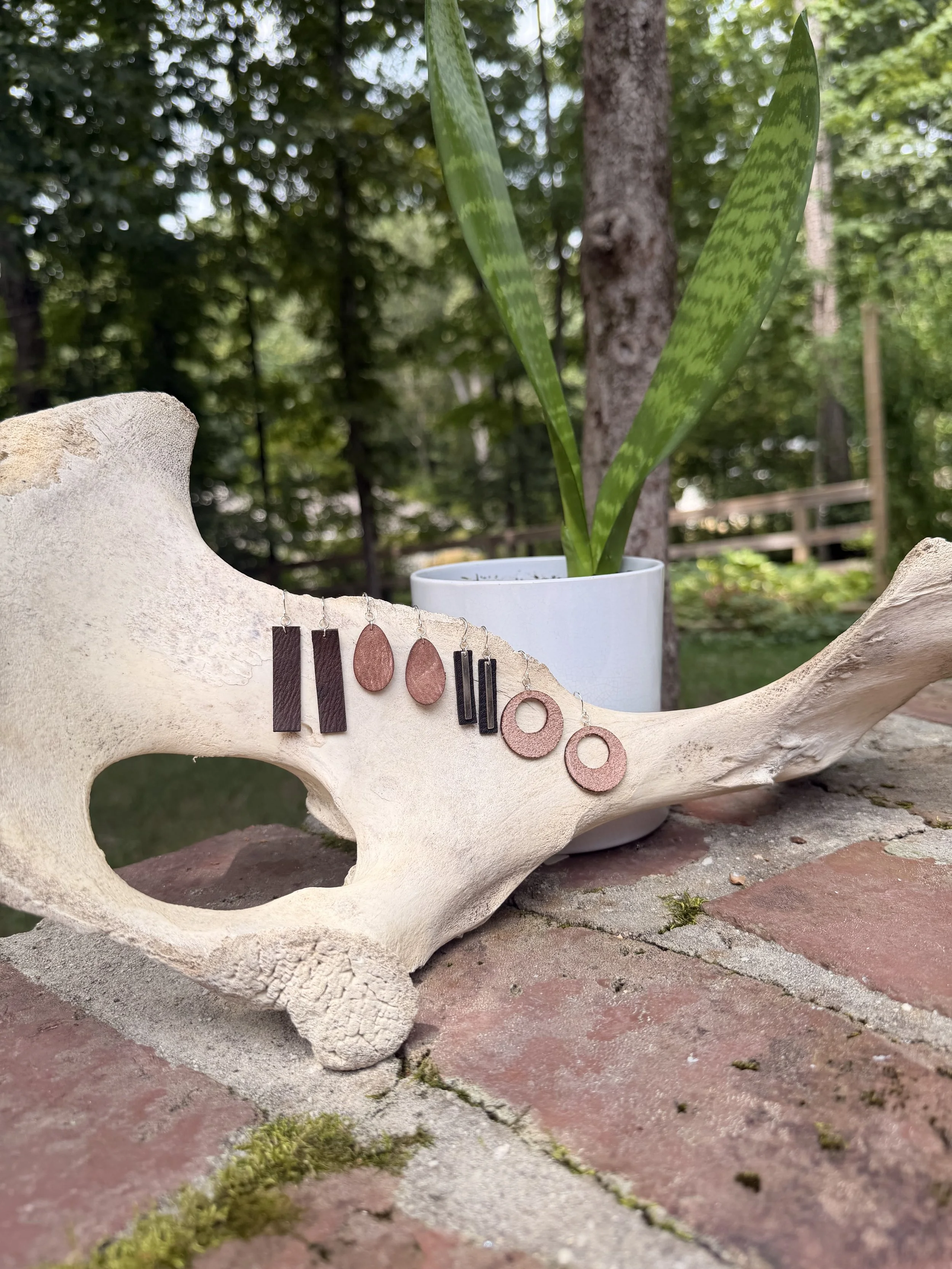
Clean lines with a little shine. Slender strips of naturally bark-tanned leather are paired with .925 sterling silver bars, creating a simple contrast between natural texture and polished metal.
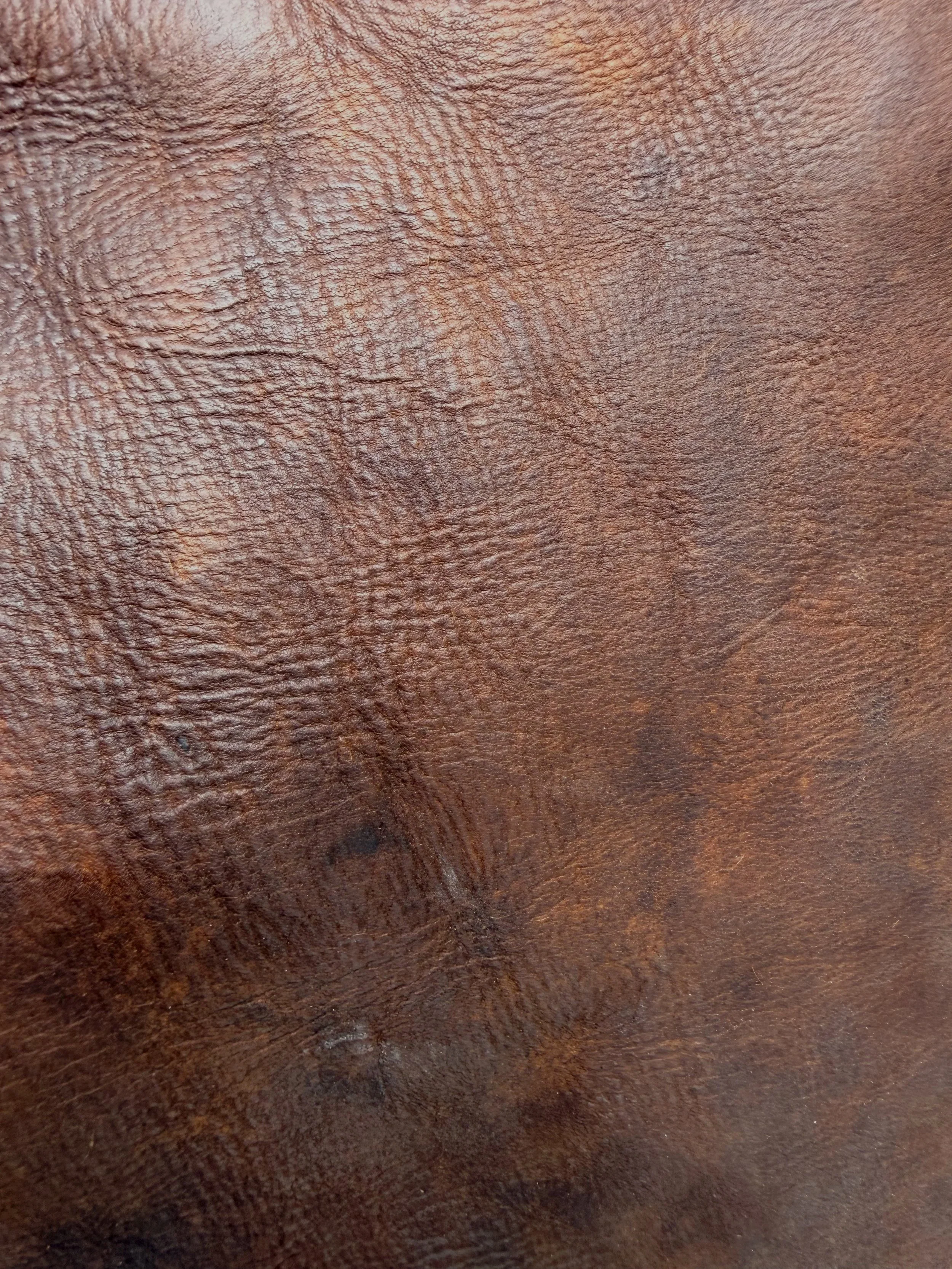
Each pair begins with a locally sourced hide. Our leathers are traceable back to the individual animal and the farm where it was raised, with the exception of our current limited supply of Chocolate Sumac. Each hide is naturally tanned by our local tannery partner using ingredients from the land, then cut, finished, and assembled by hand in the Landmade studio.
Available in four naturally derived finishes.
Finishes
Oak: A warm, reddish-brown produced using oak bark.
Iron: A deep black created by applying an iron-vinegar solution to the bark-tanned leather. The iron reacts with the tannins naturally present in the leather to create a characteristic black.
Suede: A soft neutral with a suede finish. Made from the underside of the leather that is removed when it is split to the desired thickness for our earrings. Putting waste to good use is one of the things we do best.
Chocolate Sumac: A rich chocolate brown produced with sumac leaves harvested from our tannery partner’s very own property. Our current Chocolate Sumac leather is a limited sample from our tannery partner and does not have individual-animal traceability.
Natural Materials + Small Batches
Each hide is a finite material, with its own variation in grain, texture, and color. Because we work in small batches, each finish is available only while that particular leather supply lasts. Once it’s gone, it will return when another hide becomes available in that finish.
Details
Naturally bark-tanned cowhide
Traceable to the individual animal and farm (excluding Chocolate Sumac)
.925 sterling silver findings and bar accents
Approximately .25” x 1.2”
Available in Oak, Iron, Suede, and Chocolate Sumac
Born, raised, tanned, cut, finished, and assembled by hand in Tennessee
$55
***Each pair is made to order in the Landmade Studio. Please allow 7–14 business days for your bow to be made before shipping.***
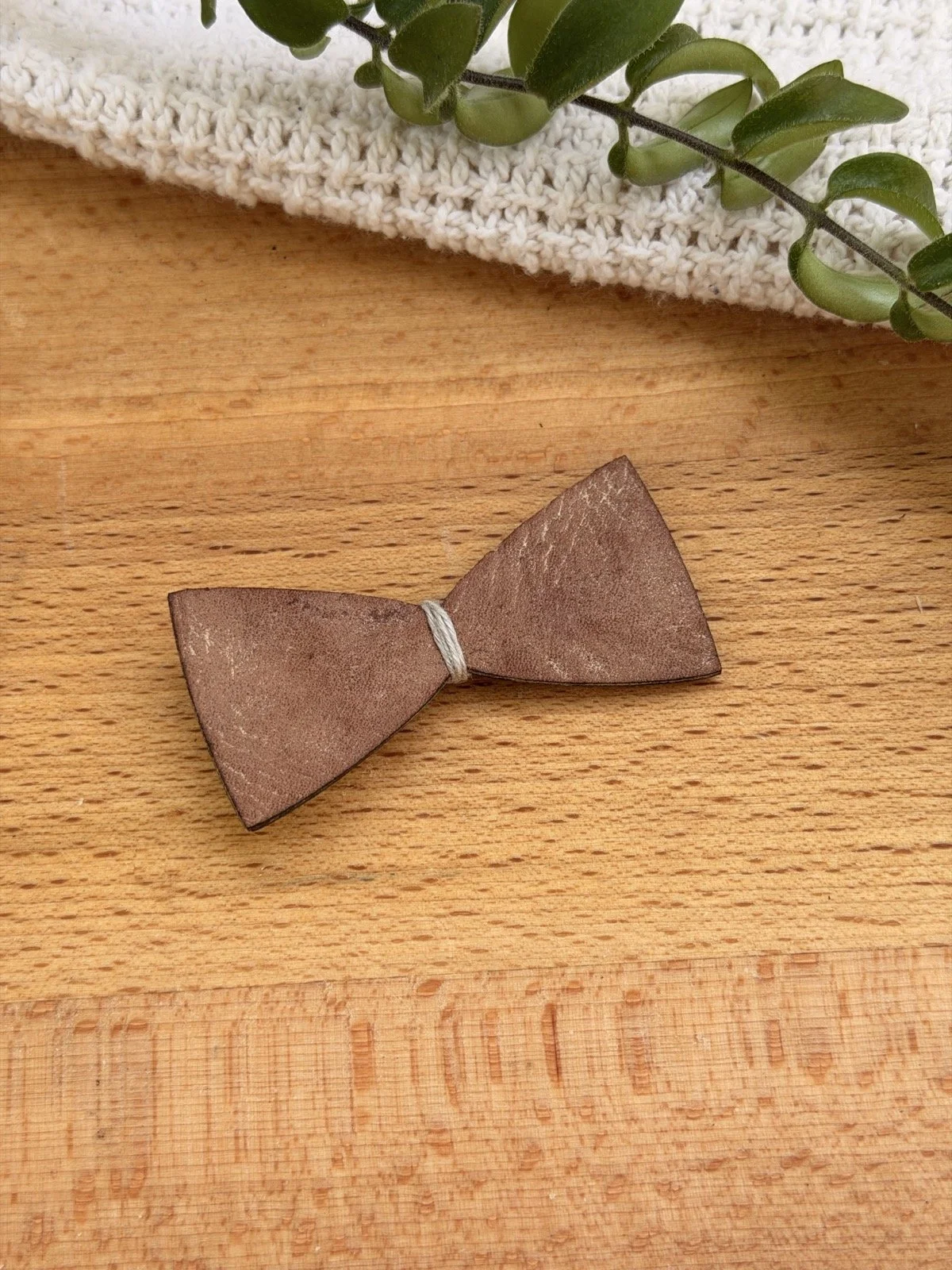
Named for my daughter Sophie, who loves a good “hair bow,” the Sophie Bow is a simple leather bow made for adding a little something special to an everyday hairstyle.
Each bow is cut from naturally bark-tanned cowhide and attached to a stainless steel hair clip. The natural grain and character of the leather give each one subtle variations of its own.
Available in two sizes and four naturally derived finishes.
Finishes
Oak: A warm, reddish-brown produced using oak bark.
Iron: A deep black created when iron reacts with the tannins naturally present in the leather.
Suede: A soft neutral made from the underside of the leather removed when it is split to the desired thickness.
Chocolate Sumac: A rich chocolate brown produced with sumac leaves harvested from our tannery partner’s property.
Natural Materials + Small Batches
Each bow begins with a locally sourced hide. Our leathers are traceable back to the individual animal and the farm where it was raised, with the exception of our current limited supply of Chocolate Sumac. Each hide is naturally tanned by our local tannery partner using ingredients from the land, then cut, finished, and assembled by hand in the Landmade studio.
Because every hide is a finite material, each finish is available only while that particular supply lasts.
Details
Naturally bark-tanned cowhide
Stainless steel hair clip
Small: approximately 2” × 1”
Large: approximately 2.5” × 1.25”
Available in Oak, Iron, Suede, and Chocolate Sumac
Traceable to the individual animal and farm, excluding Chocolate Sumac
Tanned, cut, finished, and assembled by hand in Tennessee
Small: $22
Large: $24
***Each bow is made to order in the Landmade Studio. Please allow 7–14 business days for your bow to be made before shipping.***
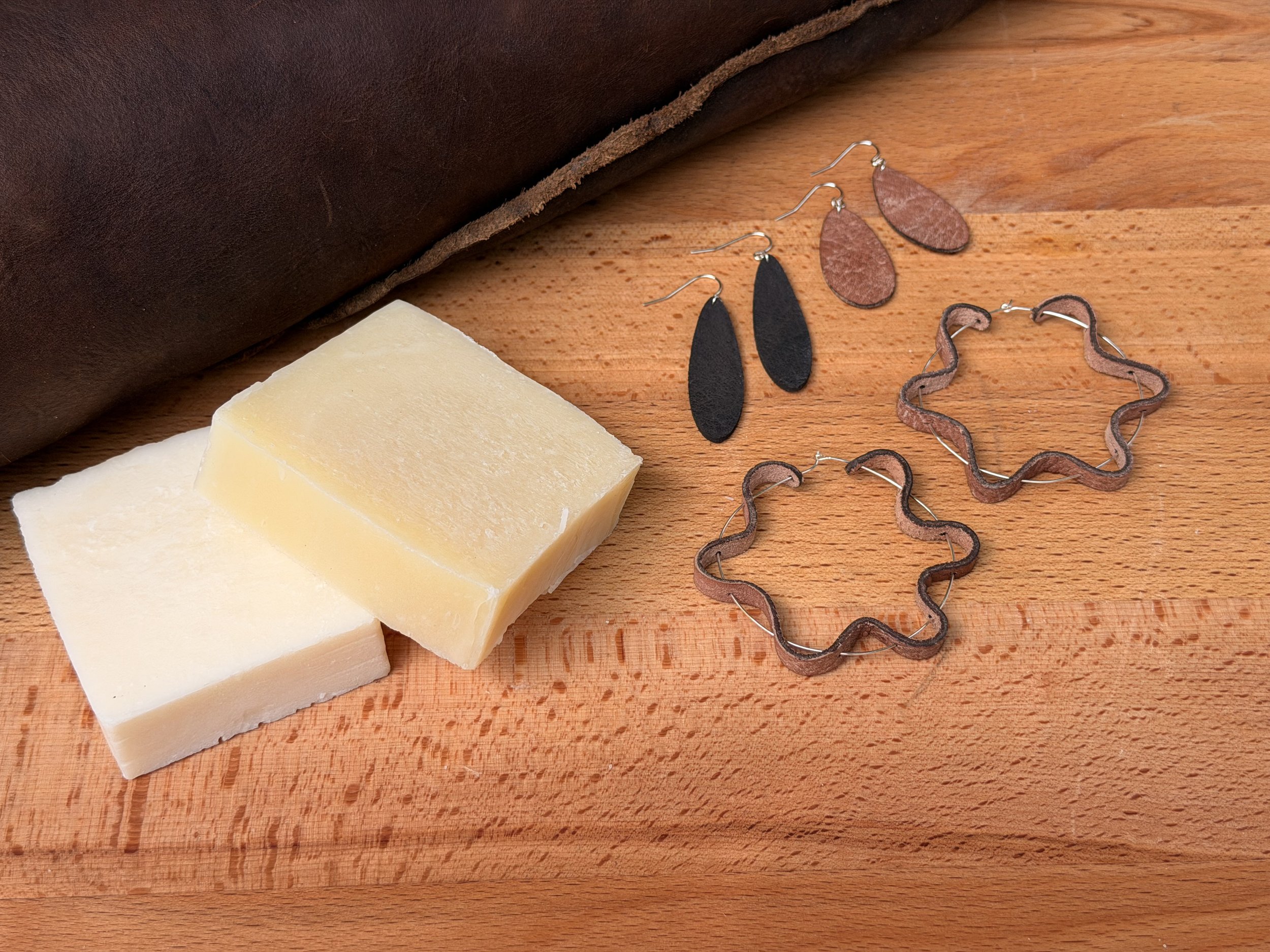
We’re starting small - in more ways than one! Our flagship collections put overlooked materials to good use, turning naturally tanned leather into lightweight earrings and locally sourced fat into small-batch tallow soap.
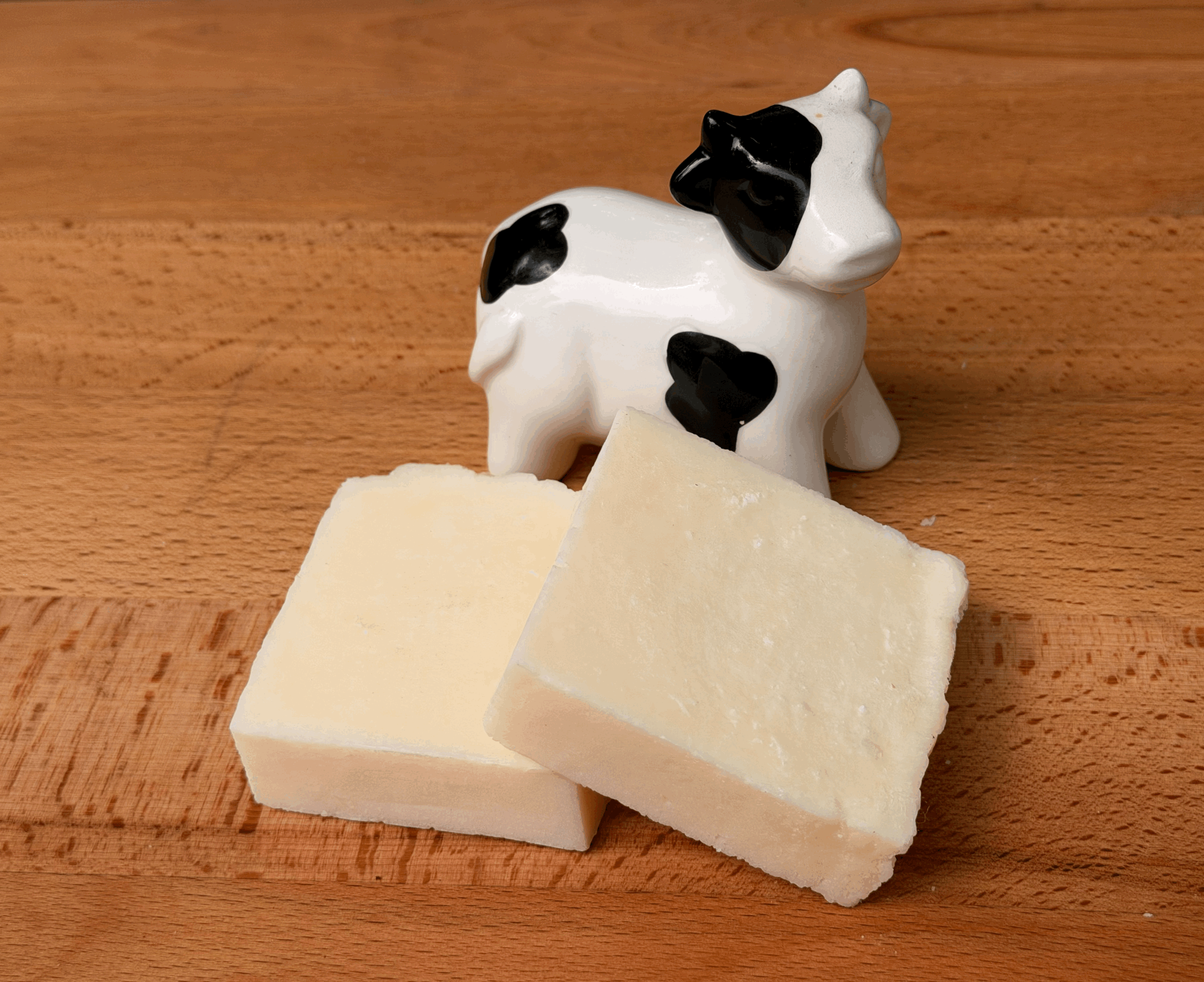
Sometimes simple is better.
Made with locally sourced beef tallow and kept intentionally simple, this unscented bar puts an often-overlooked part of the animal to good use. Tallow makes a simple, hard bar of soap with a creamy lather.
Each batch is made by hand using the traditional cold-process method. Tallow is combined with sodium hydroxide and water to begin the process of saponification. During the reaction, the sodium hydroxide and tallow combine to form soap and glycerin. The bars are left to cure before they’re ready to use.
Ingredients: Beef tallow, distilled water, and sodium hydroxide.
Unscented with no added fragrance, colorants, or preservatives.
$10